
Decoration Methods Explained
Don't know what the difference between a digital print or a pad print is?
Here are all our decoration methods from A - Z
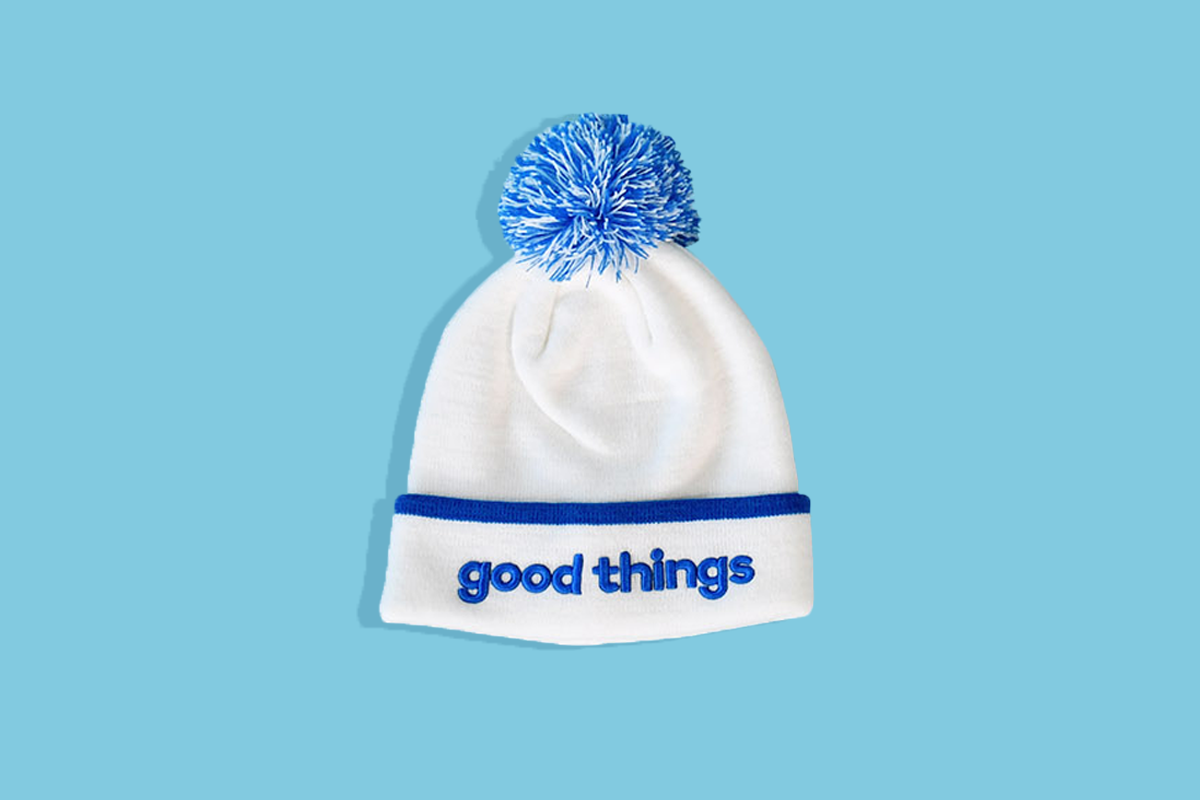
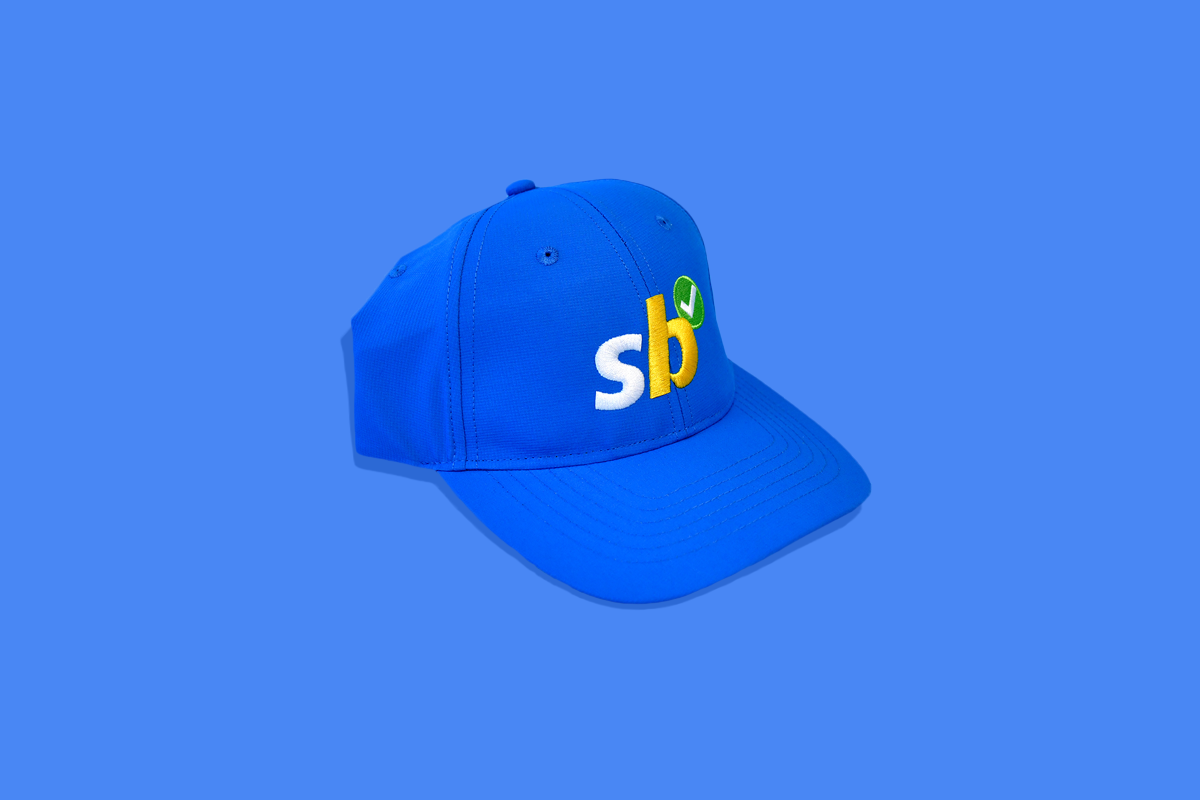
3D Embroidery
3D embroidery is a technique where thread is sewn over a foam piece to create a raised design. It’s very common for this method to be used on apparel like caps and beanies.
When is this used?
3D embroidery is great to use when you would like your logo to stand out — works best with logos that have solid text, shapes and colours.
Important to know:
There is a limit to the amount of colour threads used in a design, due to the complexity. Fine lines and small text will not appear clearly using this method.
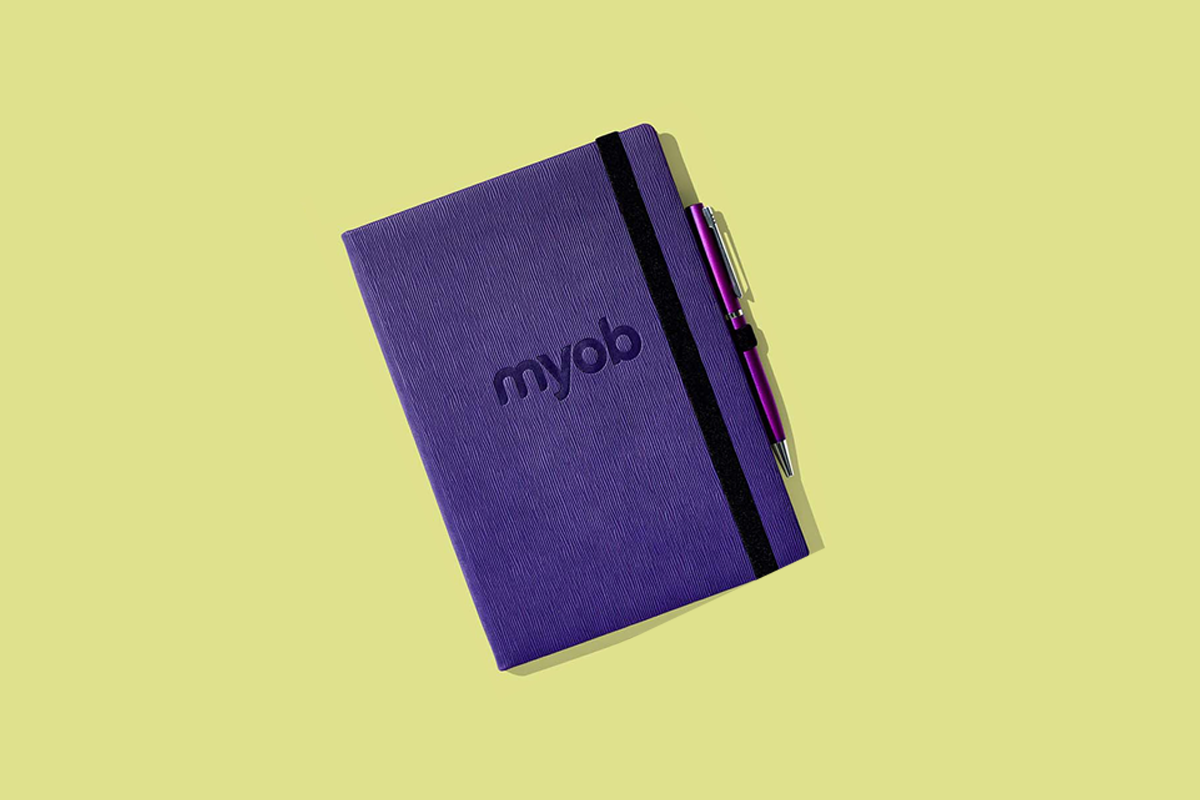
Debossing
Debossing is created with a metal press, which creates a permanent indent on the product.
When is this used?
“This method is usually used on soft PU style material or leather — typically used on notebooks, wristbands and bags. You can choose to leave the debossing as it is (known as a Blind Deboss) or you can fill the indentation with ink.
Important to know:
A good way to remember that Debossing in the opposite of Embossing.
Debossing = stamped design
Embossing = raised design

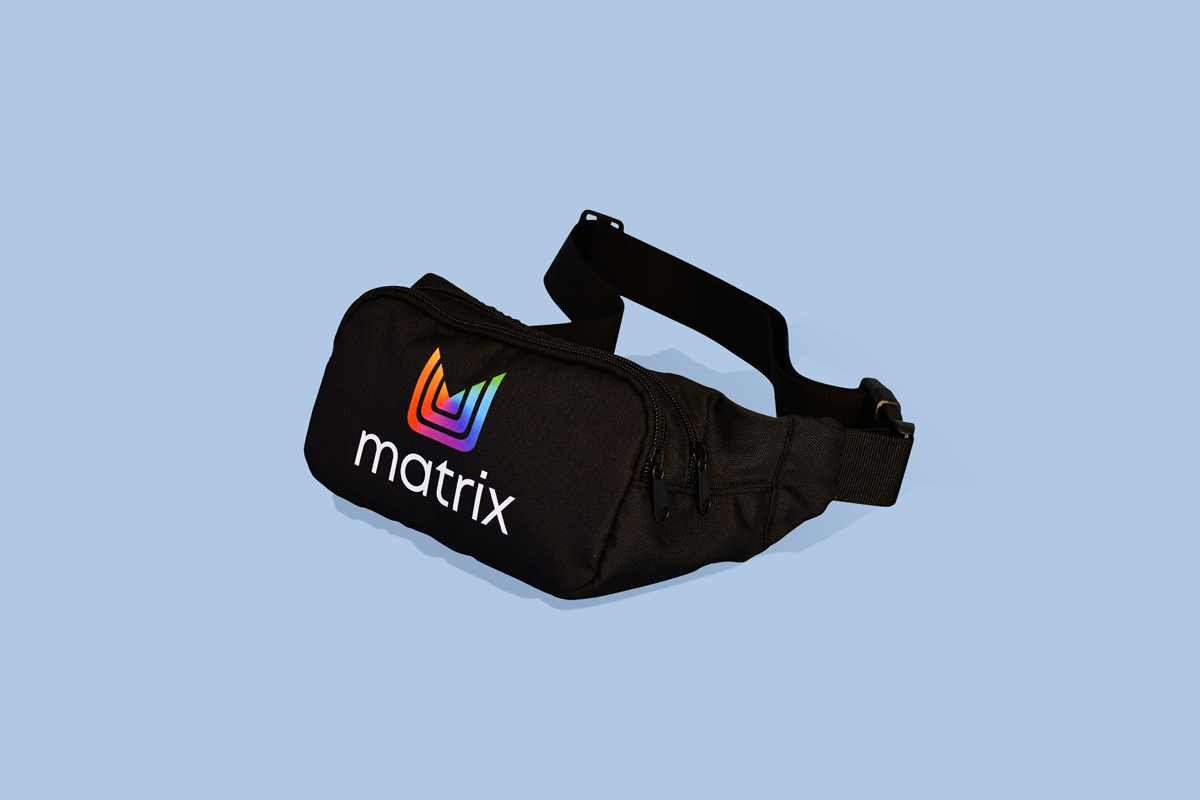
Digital Transfer / Supacolour
Digital Transfer or SupaColour uses heat to apply designs to products. Your logo or artwork can be highly detailed, including gradients and fine lines.
Can present the full detail of a logo and can also be used for Hi-res images/graphics.
When is this used?
High durability on apparel items especially on Tees and Bags too. This method can be a cheaper option than screen printing when multiple colours are being used.
Important to know:
Can withstand regular washes in washing machines.
Embossing
Embossing is created with a metal press, which creates a raised 3D design on the product.
When is this used?
Commonly used on paper and card stock, as well as apparel items like beanies and caps, with the metal stamp applied from underneath.
Important to know:
A good way to remember that Embossing is the opposite of Debossing.
Embossing = raised design
Debossing = stamped design

Embroidery
Traditional method thread sewing decoration. Offers a durable finish with a long-lasting, textured and premium finish.
When is this used?
Most commonly used on uniforms — best done on jackets, vests, caps, beanies, scarves, towels and blankets.
Important to know:
Can withstand regular washes in washing machines.
Pad Printing
Pad printing uses traditional ink and is limited up to 3-4 colours. Usually a matt style finish, vibrant colours.
When is this used?
This method is used on smaller items such as pens, bottles and cups. It is the cheapest method to print on smaller items.
Important to know:
Pad printing is often used where there is limited space to print on a product.
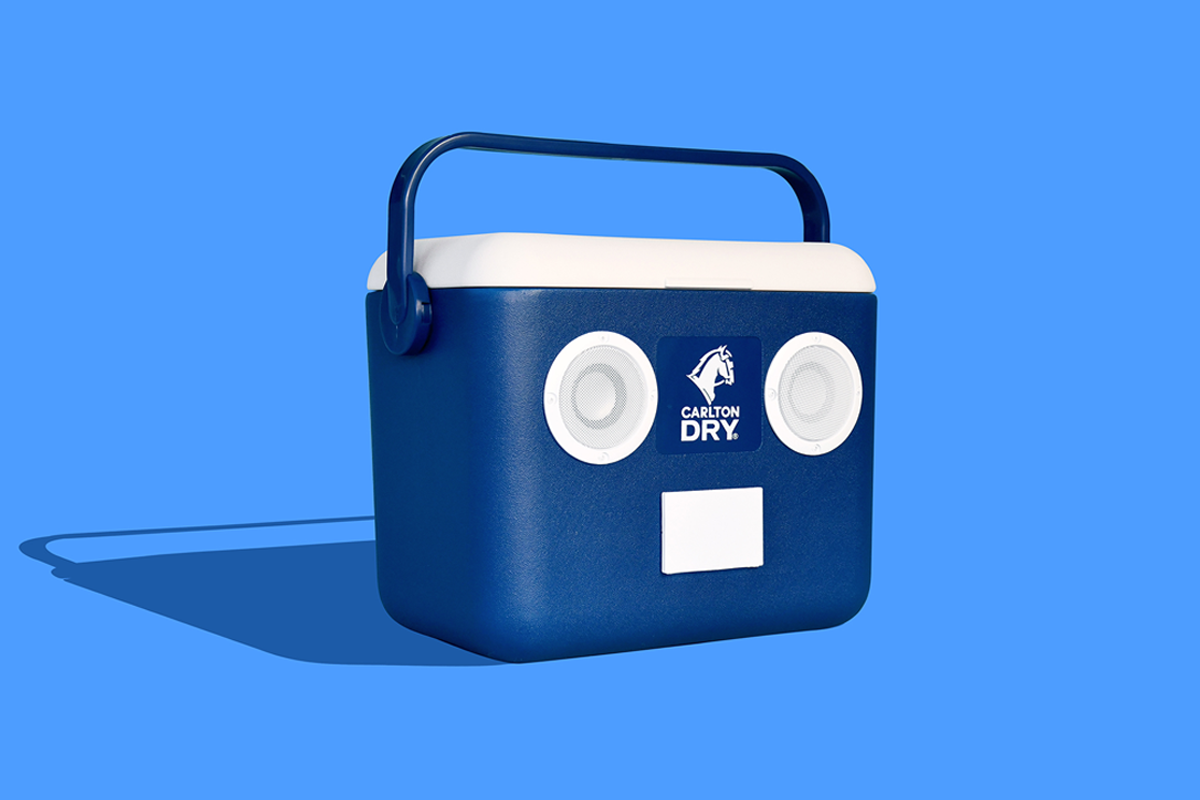

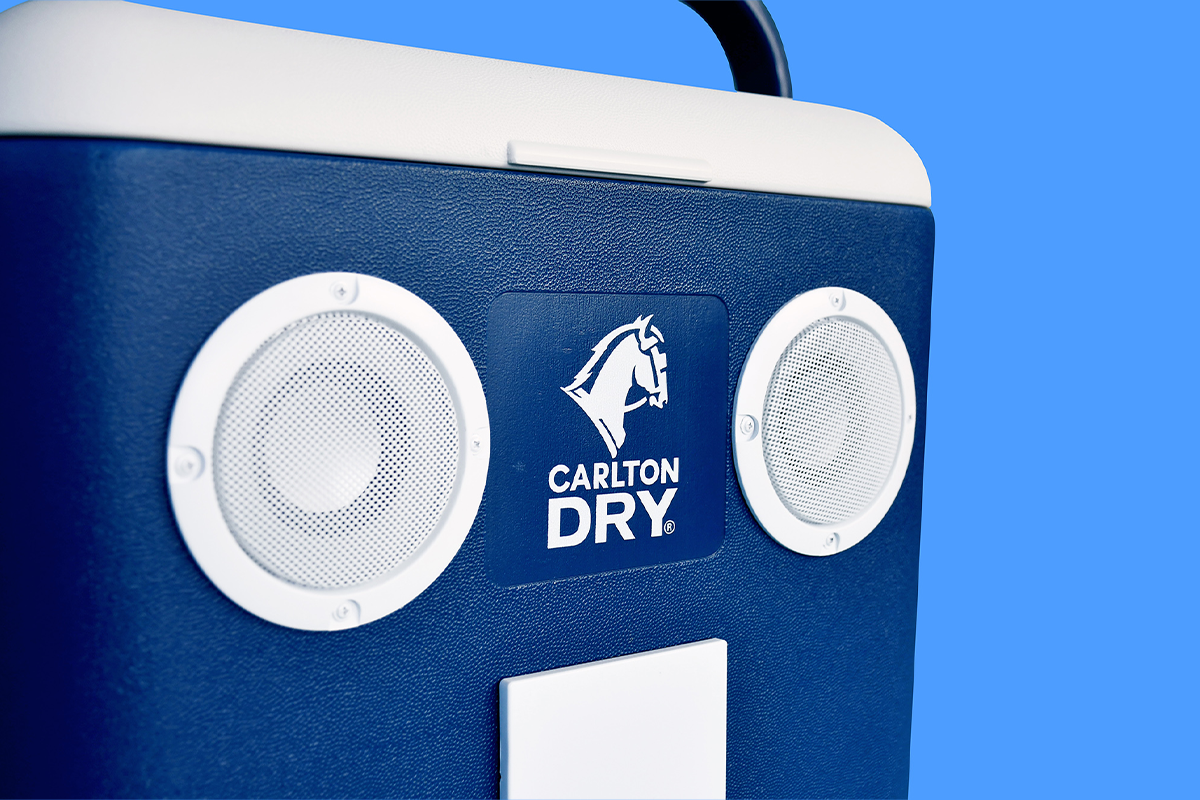
Rotary Digital printing
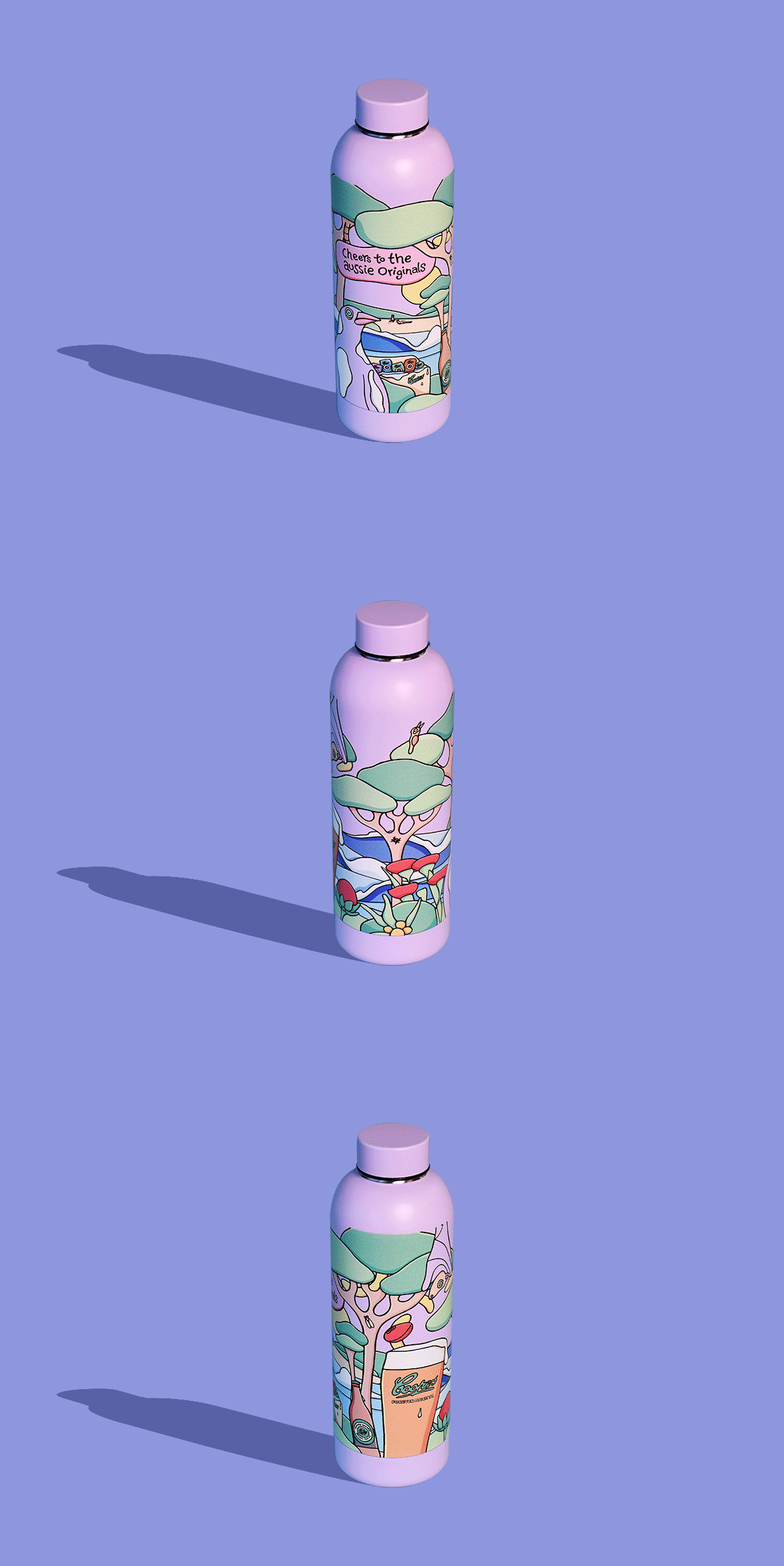
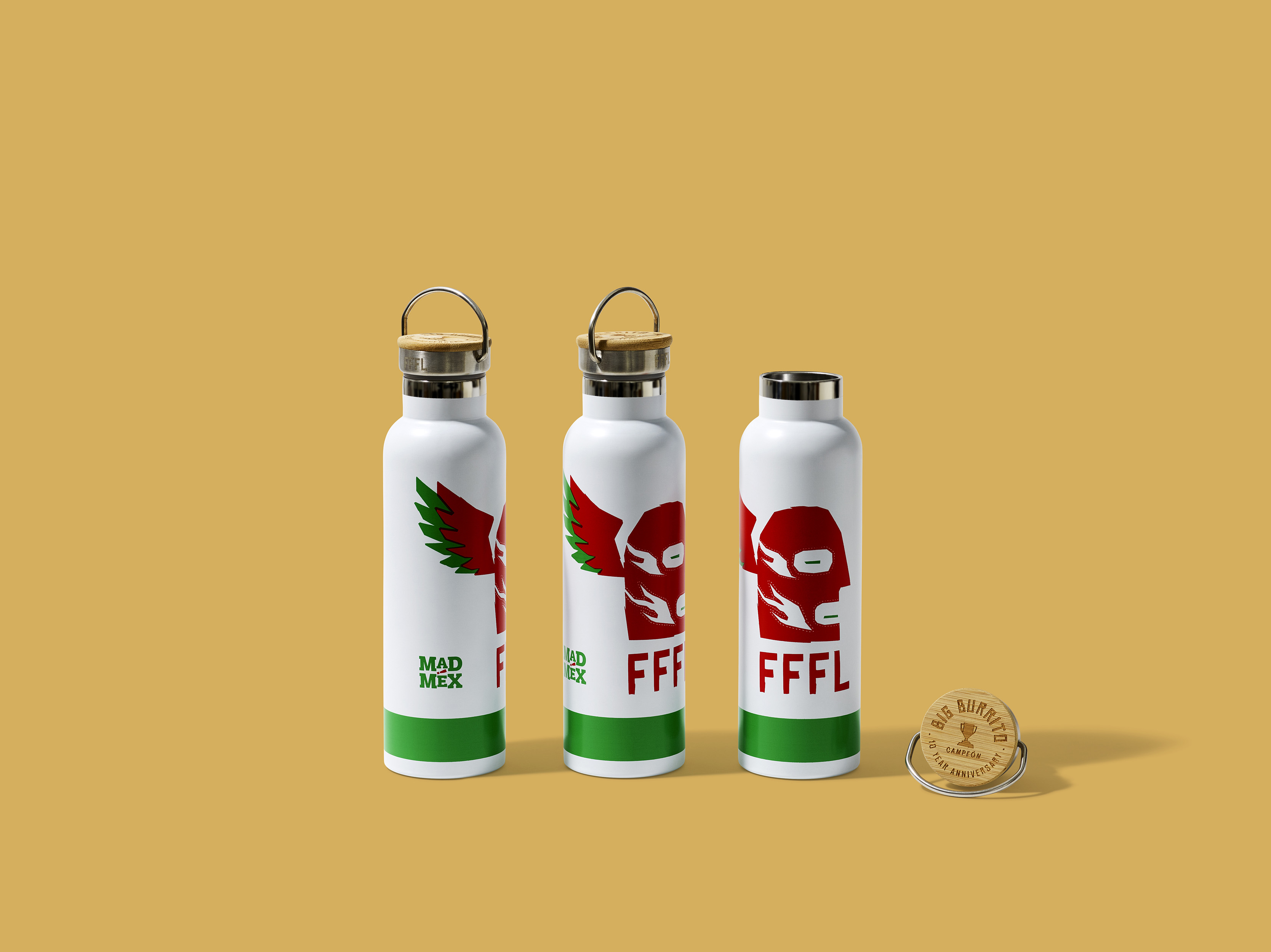
Rotary digital print is a full-colour print method that allows you to get the most vibrant and detailed full-colour design onto cylinder products like drink bottles and mugs.
When is this used?
Used commonly on drink bottles when the logos have gradient colours or the logo is to be printed in a large space.
Important to know:
Recommended hand-wash only.
Screen Printing
Similar to Pad Printing, Screen Printing uses a process that presses ink through a mesh screen in order to create a printed design. This method can not be used for gradient colours, only solid colours.
When is this used?
Uses a specifically made screen to apply the ink on larger items such as bags, tees and hoodies.


Sublimation
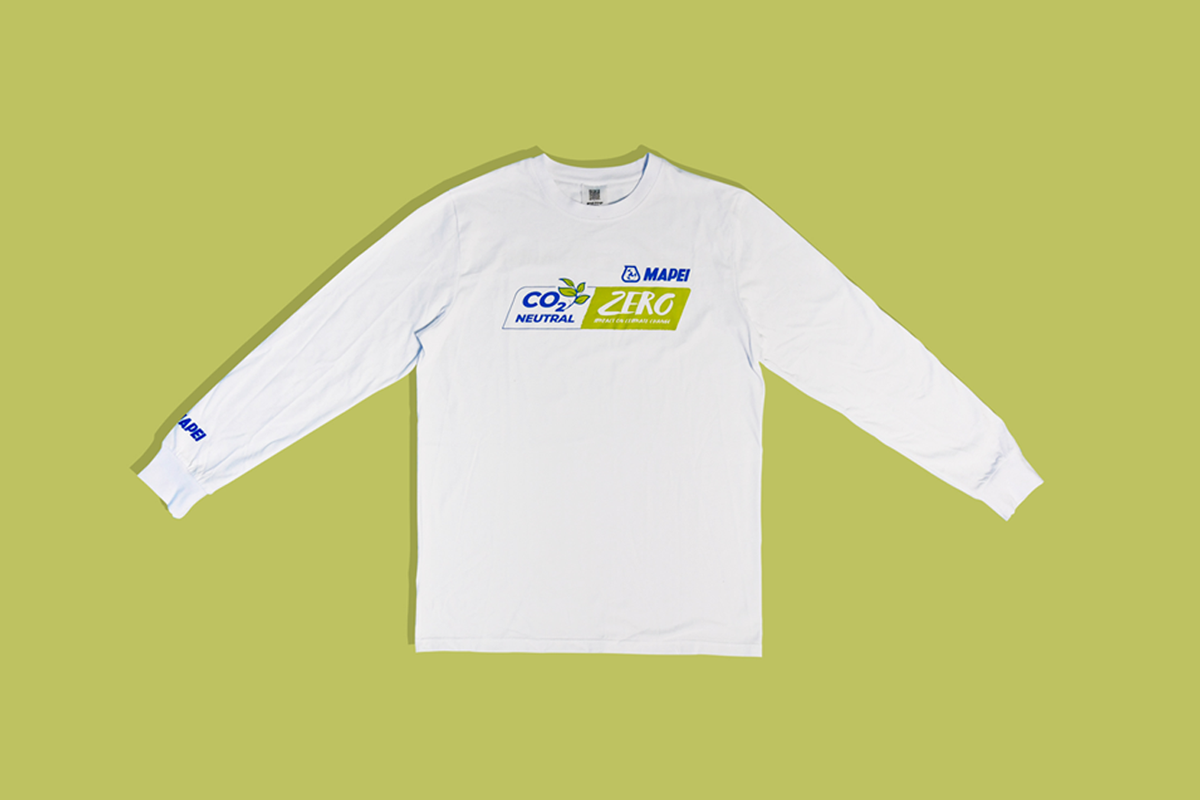
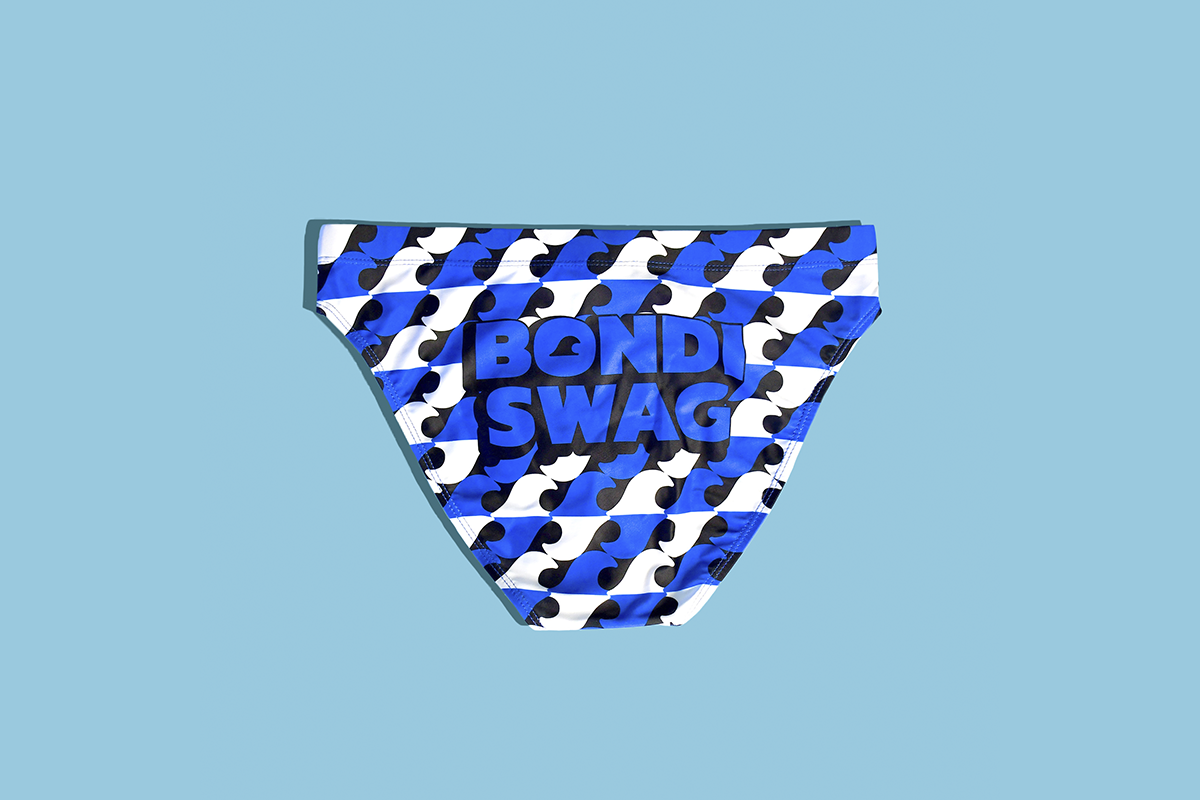
Sublimation printing is an edge-to-edge printing method.
For example, sublimation printing on shirts is a specific process of printing that first involves printing the design onto a special sheet of paper, then transferring that design onto another material (usually polyester or a polyester mix). The ink is then heated until it disintegrates into the fabric.
When is this used?
Predominately used on smaller items needing full-colour edge-to-edge designs. Typically used on lanyards, stubby coolers, caps, toys, sports jerseys and polos. You will notice a white base underneath the product as all sublimation occurs over a blank white material.


Artwork & decoration questions
-
There are so many ways to make your merchandise look phenomenal, and we’re here to make sure you get the best looking merch for your event or campaign! Here is the nitty gritty of our print methods:
- Laser Engraving
Precise lasers are used to engrave into the object. This process sees much better results than that of traditional engraving where tools physically make contact with the object and cause minor defects.
- Screen Printing
This technique uses a woven mesh and ink blocking stencil. One colour is printed at a time, so often with multicoloured prints, several screens are needed. Screen printing is most effective with one colour print jobs.
- Pad Printing
Pad Printing transfers artwork onto 3D objects using a silicone pad onto the merchandise. This method is effective on curved surfaces, as the silicone pad is able to slightly bend to print a clear image on the surface.
- Embossing
This is where the printed area on the merchandise is raised off the surface.
- Debossing
Debossing involves creating an impression in the substratFe using a plate that is pressed into the material.
- Digital Print
Digital printing uses digital artwork files such as PDFs which are sent directly to the printer and a mixture of inks is used to create the print on the merchandise. This process allows for faster turnaround time and the ability to print shorter runs as the setup time is significantly minimised.
- Heat Transfer
The artwork is digitally printed on vinyl which is then transferred onto the material using a heat press.
- Sublimation
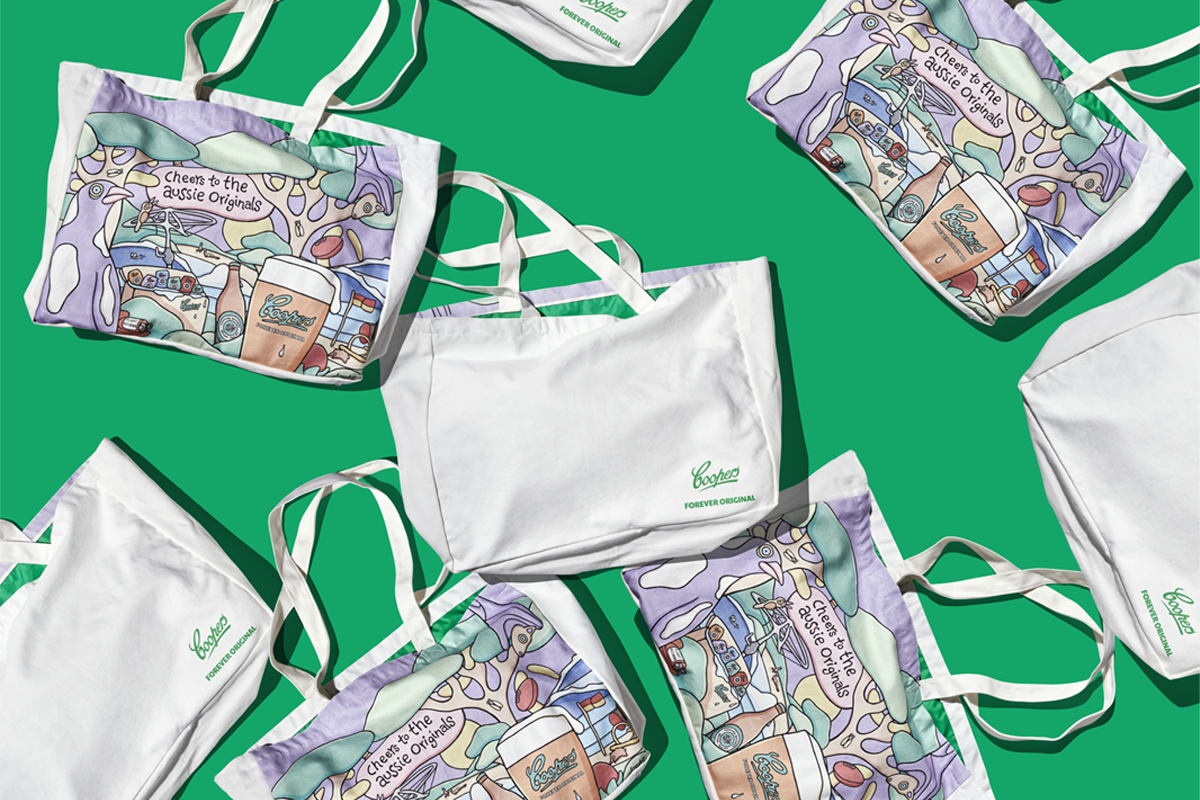
The inks that are transferred to the material is passed from a solid to gas state and thoroughly bonded to the material in that way.
- Embroidery
A high powered sewing machine creates the pattern or logo on textile based merchandise. Generally used for uniforms, apparel and headwear, multiple colour embroidery is available.
-
As much as we love having the power of Google at our fingertips, unfortunately it’s not that easy to get hold of your logo or artwork from the wonderous web!Our preferred file type for all artwork is vector format. Below is a graphic explaining why the vector format is preferred.
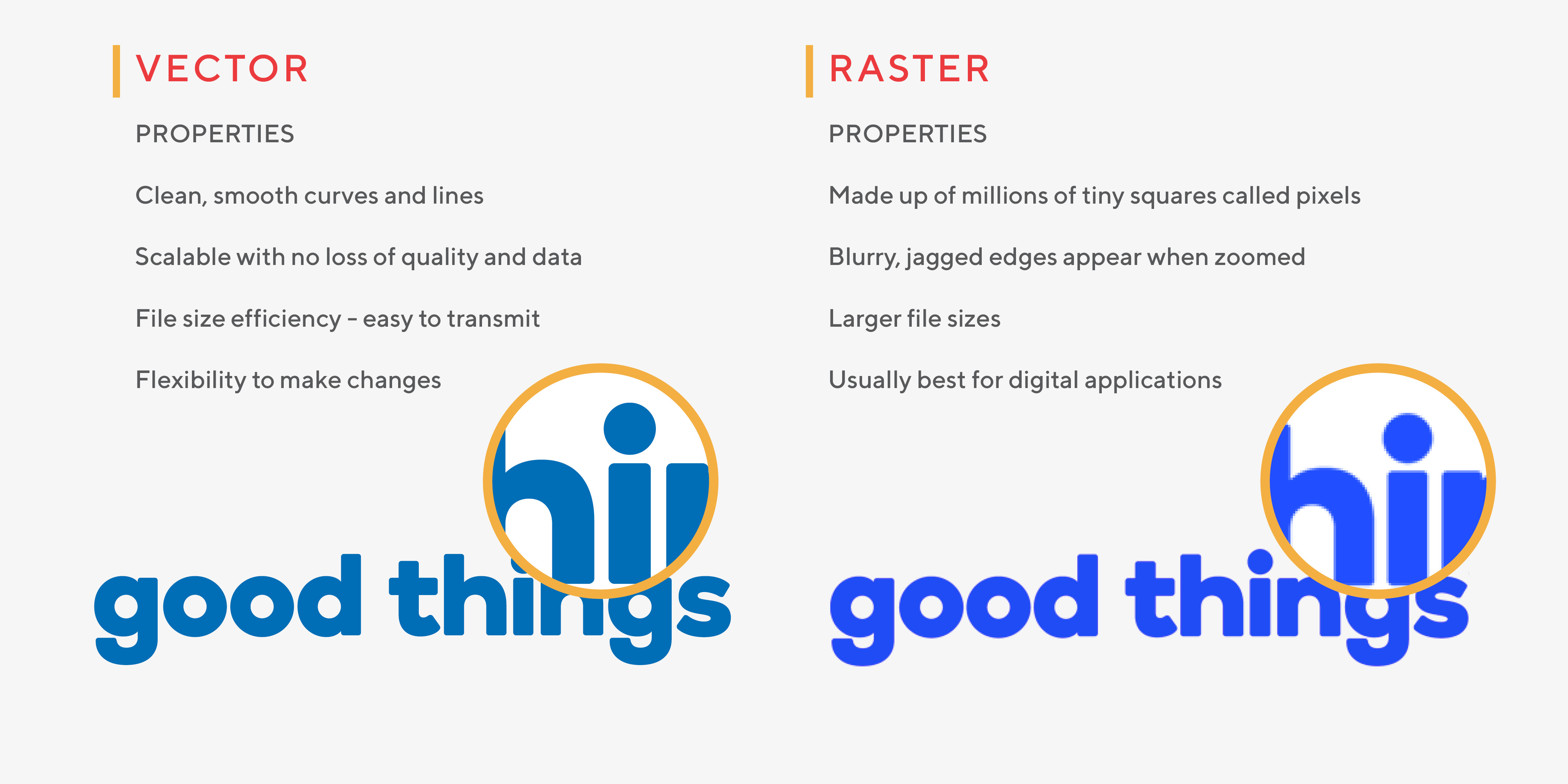 This can be supplied in an EPS or Adobe Illustrator Ai files. To ensure your text is as you provide, all text must be converted to outlines. Placed images need to be either embedded or supplied as separate files.In most cases, a Pantone (PMS coated) colour must be supplied.
Other File Formats:
- Some PDF files are acceptable, depending on where the artwork was created
- All images to be minimum 300 dpi.
- Raster files are those that ind in Bmp, Tiff or jpg and can only be used for one colour print jobs . These files are not the ideal type, but in the case where they are necessary, they need to be saved at least double the size of the final print size.
- Unfortunately we cannot use Word, Excel, Publisher, Power Point or any other Office program as finished artwork, but our design team can use the files to create the correct file types
When we receive your files, we can determine if they are suitable or not, and advise what the next steps are.
-
In most cases, yes! We offer FREE creative, meaning we can vectorise your artwork to ensure they are ready for print.
We also provide free mockups so we can show you just how your merchandise is going to look as a digital line drawing. -
If you’re unsure, you can simply send it to us and we will have our in house design team determine the best way to utilise your artwork
We can also colour match your existing logo to produce a PMS colour if you don’t have or know yours. However, please note that this is done at the discretion of our experienced sales team, and although an approval will be sent, what you see on the screen will differ slightly to what you get in print. You can view the PMS colour range here. -
Ask any designer and they’ll chew your ear off about how white is “not a colour”. However, when it comes to printing, it most certainly is!
A black logo on a light coloured background is considered a 1 colour job, however, on a darker coloured substrate, if the white area is to be printed also, it will be considered 2 colours. -
We’d love to be able to print all your creative and fantastic designs onto absolutely everything that we offer, but unfortunately, often print methods and complexity of designs limit what you can print. We will review your designs before the mock up is created and if it’s not possible to action your enquiry, we will be able to suggest alternative options for you.